
Where Independent Artists in Illinois Can Book Recording, Mixing, and Mastering in 2026
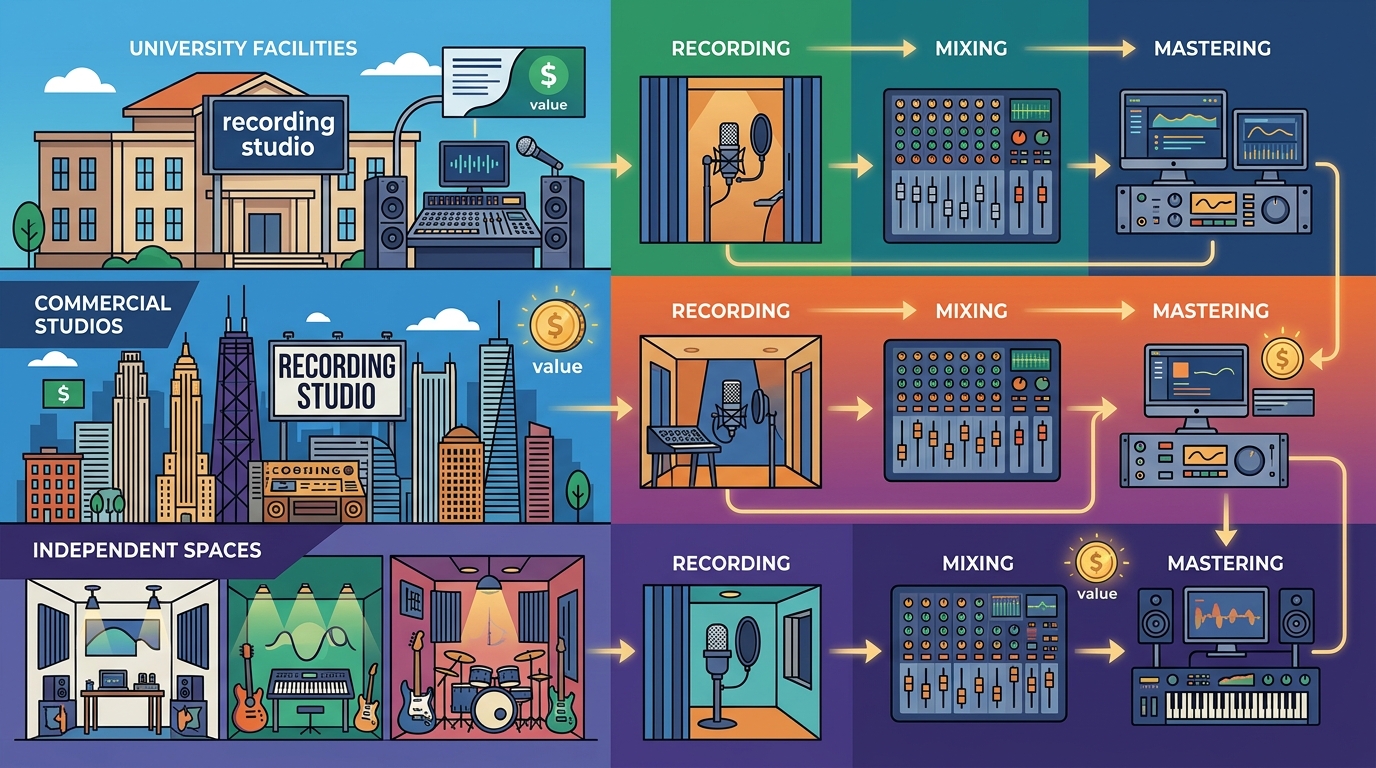
Independent artists in Illinois can book recording, mixing, and mastering services at university-affiliated facilities, commercial studios in Chicago, and emerging independent spaces. University resources often provide high-quality equipment and technical expertise at lower costs. This guide covers the primary options for emerging artists, including specific studio types, cost considerations, and how to prepare for a productive session. For additional details, review the Fortunate 1 Growth System.
Chicago Recording Studios
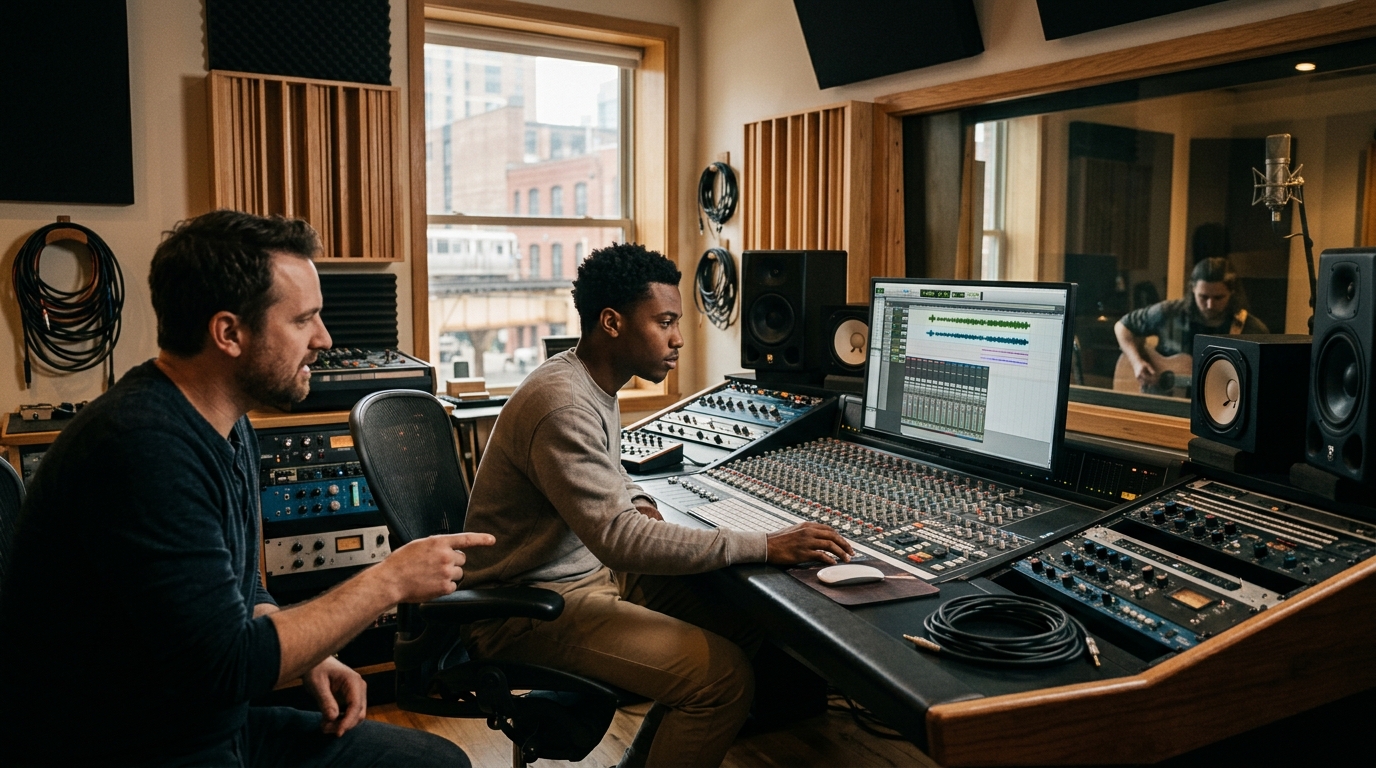
Chicago is the primary hub for recording services in Illinois. The city offers a dense concentration of commercial studios ranging from large-scale production houses to intimate home studios. For emerging artists, the variety of options allows for flexibility in both budget and sonic aesthetic. Studios in the city often specialize in specific genres, from hip-hop and R&B to rock and electronic music. This specialization means artists can find engineers who understand the specific technical requirements of their genre. according to Recording Opportunities For additional details, review the Customer Experience.
Commercial vs. Independent Studios
Genre-Specific Specializations
Chicago has a strong history in hip-hop, house, and soul music. Studios in the city often have engineers with deep experience in these genres. For an artist working on a hip-hop project, finding a studio with high-quality drum machines and sampling capabilities is crucial. Similarly, electronic artists may prioritize studios with extensive synthesizer libraries and modular setups. Aligning the studio's strengths with the artist's genre ensures a more efficient and effective recording process. For additional details, review the Frequently Asked Questions.
University Facilities and Academic Resources
Access and Booking Procedures
Booking university facilities often requires navigating specific academic calendars and reservation systems. Some facilities are open to the public, while others may prioritize students and faculty. Artists should check the specific policies of each institution. Many universities offer workshops or clinics that can help artists understand how to use the equipment effectively. These educational components add value beyond the recording time itself.
Equipment and Technical Support
Pre-Production and Session Preparation
Pre-production is the phase where artists prepare their material before entering the studio. This stage is critical for maximizing the value of recording time. Artists should have their songs fully arranged and rehearsed before booking a session. Clear communication with the engineer about the desired sound and reference tracks is essential. Pre-production also involves preparing the technical aspects, such as ensuring all instruments are in tune and that digital files are organized.
Arranging and Rehearsing
Arranging involves structuring the song to highlight its best elements. Artists should decide on the tempo, key, and dynamics before the session. Rehearsing ensures that the band or ensemble is tight and consistent. This preparation reduces the number of takes needed in the studio, which saves time and money. A well-rehearsed performance often results in a more natural and compelling recording.
Technical Preparation
Mixing and Mastering Options
Mixing and mastering are the final stages of the recording process. Mixing involves balancing the individual tracks to create a cohesive stereo image. Mastering prepares the final mix for distribution across various platforms. Artists in Illinois have access to both in-studio and remote mixing and mastering services. Remote services allow artists to work with engineers from anywhere in the world, often at competitive rates. In-studio services provide the advantage of real-time collaboration and immediate feedback.
In-Studio vs. Remote Services
Choosing the Right Engineer
Selecting the right engineer is crucial for achieving the desired sound. Artists should listen to the engineer's previous work to assess their style and capabilities. They should also consider the engineer's experience with their specific genre. A good engineer will ask questions about the artist's vision and provide constructive feedback. Building a rapport with the engineer ensures a collaborative and productive working relationship.
Costs and Budgeting for Emerging Artists
Costs for recording, mixing, and mastering vary widely depending on the studio, engineer, and project scope. Emerging artists should establish a clear budget before booking any sessions. Hourly rates for studio time can range from affordable to premium, depending on the equipment and location. Mixing and mastering are often charged as flat fees per song or as part of a package deal. Artists should request detailed quotes from studios to avoid unexpected costs.
Understanding Studio Rates
Studio rates are typically charged by the hour or by the day. Some studios offer package deals that include a set amount of recording time, mixing, and mastering. Artists should ask about any additional fees, such as engineer time or equipment rental. Understanding the breakdown of costs helps artists make informed decisions. It is also important to consider the cost of revisions, as some studios charge extra for additional mixing or mastering passes.
Budgeting Strategies
Emerging artists can manage their budgets by prioritizing key elements of their project. Focusing on a few high-quality singles rather than a full album can be a cost-effective strategy. Artists can also consider recording in phases, spreading the cost over a longer period. Seeking out scholarships, grants, or community programs that support local artists can also help offset costs. Planning ahead and setting realistic financial goals ensures that the project remains manageable.
Key Takeaways
- Chicago offers a wide range of recording studios, from commercial to independent, catering to various genres and budgets.
- Pre-production is essential for maximizing the value of studio time and ensuring a smooth session.
- Artists can choose between in-studio and remote mixing and mastering services based on their needs and budget. according to Housing Affordability for
- Selecting the right engineer requires listening to their previous work and assessing their genre expertise.
- Understanding studio rates and requesting detailed quotes helps artists avoid unexpected costs.
- Budgeting strategies, such as focusing on singles or recording in phases, can help emerging artists manage expenses.
- Collaboration and clear communication with engineers are key to achieving a professional sound.
Frequently Asked Questions
What is the average cost of recording a song in Chicago?
Can I use university recording facilities if I am not a student?
Yes, many university facilities in Illinois are open to the public. However, booking procedures and rates may differ from those for students. Artists should check the specific policies of each institution before making a reservation.
What should I bring to a recording session?
Artists should bring their instruments, backups of their project files, reference tracks, and a list of specific requests for the engineer. Having all technical preparations in place ensures a smooth and efficient session.
How do I choose between in-studio and remote mixing?
What is the difference between mixing and mastering?
Mixing involves balancing the individual tracks to create a cohesive stereo image. Mastering prepares the final mix for distribution across various platforms, ensuring consistency and loudness.
How can I reduce the cost of recording my music?
Artists can reduce costs by focusing on a few high-quality singles, recording in phases, and seeking out scholarships or community programs. Pre-production and clear communication with the engineer also help minimize the number of takes needed.
Are there any grants or scholarships for emerging artists in Illinois?
How important is pre-production for a successful recording?
Pre-production is critical for a successful recording. It ensures that the material is well-arranged and rehearsed, reducing the time and cost spent in the studio. Clear communication with the engineer during this phase sets the stage for a productive session.
Conclusion
Emerging artists in Illinois have numerous options for booking recording, mixing, and mastering services. From commercial studios in Chicago to university facilities, the state offers a rich ecosystem for creative production. By understanding the different types of studios, preparing thoroughly for sessions, and managing budgets effectively, artists can achieve professional-quality results. Fortunate 1 Music & Entertainment supports this journey by providing talent promotion and development resources that help artists navigate the industry. Whether you are recording your first single or preparing for a full album, the right preparation and resources will set you on the path to success. according to Where do Artists