
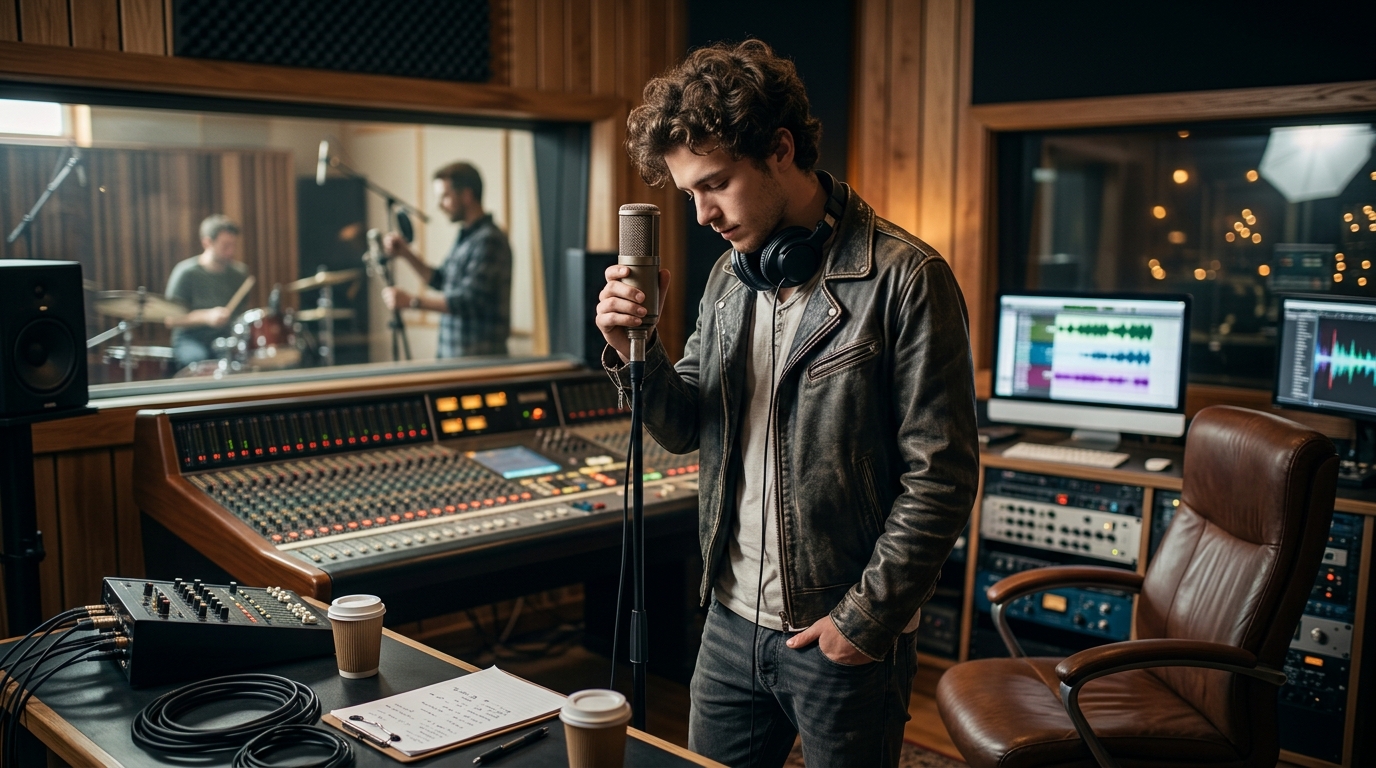
Where Independent Artists in Illinois Can Book Recording, Mixing, and Mastering
Chicago Recording Studios
Types of Studios
Commercial studios typically offer full-service packages including engineering, mixing, and mastering. Project studios are often run by independent producers and are more affordable. University facilities, such as those at the University of Illinois, provide access to professional equipment and student engineers. For additional details, review the Fortunate 1 Growth System.
Choosing the Right Studio
When selecting a studio, consider the genre fit, engineer experience, and budget. Listen to previous work by the engineer to ensure their style matches your vision. Always request a written contract that outlines the scope of work, deliverables, and payment terms. For additional details, review the .
Illinois State Support Programs
The Illinois Arts Council provides financial support and recognition to artists through various programs. These programs help artists continue their work, share their expertise, and grow as professionals. For additional details, review the Customer Experience.
Artist Fellowships
The Artist Fellowship Program supports accomplished Illinois artists who are the foundation of the state's creative environment. This program enriches and strengthens the state by recognizing and funding artistic excellence. For additional details, review the Frequently Asked Questions.
Individual Artist Support
The Individual Artist Support (IAS) program assists Illinois artists to realize a career goal, take advantage of a professional opportunity, or to produce and present an artistic project. This funding can be used for recording, mixing, and mastering costs.
Legal Protections for Freelancers
Freelance workers in Illinois are protected by the Freelance Worker Protection Act. This law provides specific rights for independent contractors who provide products or services in Illinois.
Contract Requirements
Payment Protections
The act ensures that freelance workers are paid for their work. It prohibits hiring entities from withholding payment without a valid reason. Artists should keep records of all agreements and communications with clients.
Building Your Audio Pipeline
Building a professional audio pipeline involves several stages: recording, editing, mixing, and mastering. Each stage requires specific skills and equipment. Independent artists can outsource these stages to specialists or learn them themselves.
Recording
Recording is the process of capturing audio performance. It requires a quiet environment, quality microphones, and a digital audio workstation (DAW). Artists should focus on performance quality during this stage.
Mixing and Mastering
Mixing involves balancing individual tracks to create a cohesive sound. Mastering is the final stage of audio production, where the mixed track is prepared for distribution. Both stages require technical expertise and critical listening skills.
Comparison of Options
| Option | Cost Range | Best For | Key Benefit |
|---|---|---|---|
| Commercial Studio | High | Final Mix/Master | Professional Equipment |
| Project Studio | Low to Medium | Recording/Tracking | Affordability |
| University Facility | Medium | Learning/Experimentation | Access to Engineers |
| Home Studio | Variable | Pre-Production | Convenience |
Key Takeaways
- Building a professional audio pipeline requires attention to each stage.
- University facilities provide access to professional equipment and engineers.
- Always request a written contract before starting work with a studio.
- Listen to previous work by engineers to ensure genre fit.
- Keep records of all agreements and communications with clients.
Frequently Asked Questions
What is the cost of recording in Chicago?
Can I use state grants for recording costs?
Yes, the Individual Artist Support program can be used for recording, mixing, and mastering costs. Check the Illinois Arts Council website for application details.
Do I need a written contract for studio work?
What is the difference between mixing and mastering?
Mixing balances individual tracks, while mastering prepares the final mix for distribution. Mastering is the last step in audio production.
How do I find a good engineer in Chicago?
Listen to their previous work, read reviews, and ask for referrals. Ensure their style matches your genre.
Can I record at a university facility?
What should I include in a studio contract?
How do I protect my music rights?
Keep records of all sessions, register your work with a copyright office, and use clear contracts that specify ownership.
Conclusion
Independent artists in Illinois have many options for booking recording, mixing, and mastering services. From Chicago studios to state support programs, the resources are available to help you build a professional sound. Fortunate 1 Music & Entertainment is dedicated to helping emerging artists navigate these resources and launch their careers. Visit our site to learn more about our talent promotion services and how we can support your journey. according to Complete Guide to