

Independent Companies Supporting Rappers, Singers, Dancers, and Models in One Place
Independent music and entertainment companies that support rappers, singers, dancers, and models in one place are multi-disciplinary platforms that integrate artist development, talent management, and promotional infrastructure. These entities provide a unified ecosystem where creative professionals can build their brand, grow their audience, and access industry connections without navigating fragmented agencies. This guide explores how modern independent platforms, such as Fortunate 1 Music & Entertainment, consolidate these services to streamline the path from local talent to global recognition.
Artist Development Platforms
Artist development is the structured process of refining an individual's creative output, public image, and professional skills to prepare them for commercial success. In the modern entertainment landscape, this process has evolved beyond simple recording or choreography. It now encompasses digital presence, audience engagement, and brand consistency. Independent platforms have emerged to fill the gap left by traditional major labels, which often focus primarily on distribution rather than holistic growth. according to Creative Artists Agency For additional details, review the .
The Role of Digital Infrastructure
Modern artist development relies heavily on digital tools. Platforms like Fortunate 1 Music & Entertainment utilize online systems to allow artists to upload content and receive direct feedback from global audiences. This direct-to-consumer model bypasses traditional gatekeepers. It allows emerging rappers and singers to build a fanbase before signing with a major entity. The data generated from these interactions helps artists understand their market positioning. according to Creative Artists Agency
Multi-Disciplinary Skill Building
True development requires skills that extend beyond the primary craft. A dancer needs to understand social media algorithms. A model needs to grasp brand partnership dynamics. Integrated platforms provide resources for these adjacent skills. They offer guidance on content strategy, visual branding, and audience retention. This comprehensive approach ensures that artists are not just talented, but also marketable. The focus is on creating a sustainable career rather than a fleeting moment of fame. according to The Soft Skills For additional details, review the Customer Experience.
Community and Peer Learning
Integrated Entertainment Management
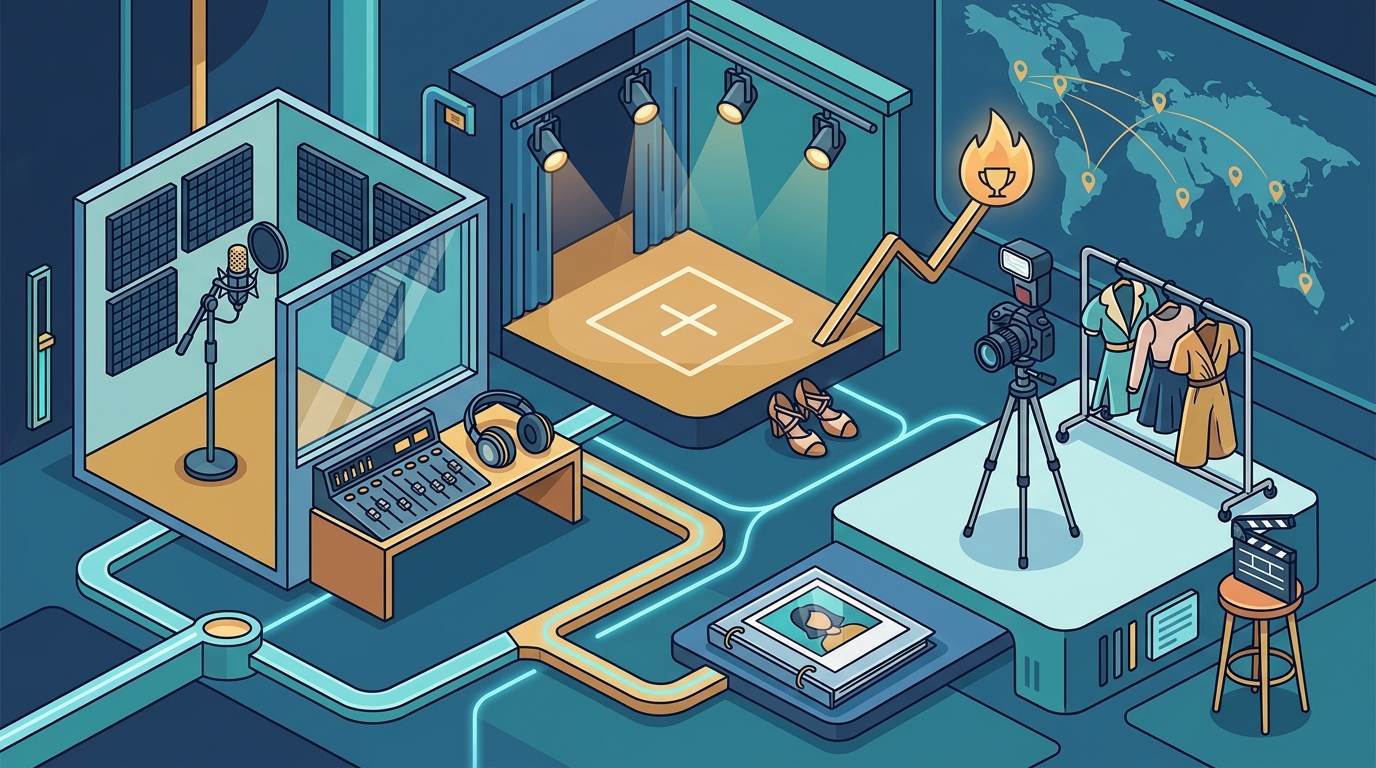
Integrated entertainment management is the coordination of multiple business functions, including talent representation, marketing, and product development, under a single organizational umbrella. This model allows for seamless collaboration between different departments. It ensures that an artist's musical releases, fashion lines, and promotional campaigns are aligned. This alignment creates a cohesive brand identity that resonates with audiences.
Consolidating Services for Efficiency
Traditional management often requires artists to hire separate agents for music, modeling, and business affairs. This fragmentation can lead to miscommunication and inefficiency. Integrated management consolidates these roles. It provides a single point of contact for all professional needs. This streamlines decision-making and reduces administrative burden. Artists can focus on their creative work while the management team handles the business operations.
Brand Ecosystems and Diversification
Many independent companies build brand ecosystems that extend beyond music. For example, Fortunate 1 Music & Entertainment operates the Hood$Rich Board Game and Fortunate Wears. These products allow artists to diversify their income streams. They also provide additional touchpoints for fan engagement. This diversification reduces reliance on a single revenue source. It creates a more resilient business model for the artist and the company.
Strategic Partnerships and Industry Access
Integrated management firms often leverage their networks to secure partnerships with major studios and record labels. They act as intermediaries, connecting independent artists with established industry players. This access is crucial for career advancement. It allows artists to collaborate with established professionals and gain exposure to larger audiences. The management team negotiates terms that protect the artist's interests while opening doors to new opportunities.
Comparison of Management Models
| Feature | Traditional Major Label | Independent Integrated Platform |
|---|---|---|
| Primary Focus | Distribution and Mass Marketing | Holistic Artist Development and Brand Building |
| Service Scope | Music-Centric | Multi-Disciplinary (Music, Fashion, Gaming, Media) |
| Artist Autonomy | Low (Label Control) | High (Artist Ownership of Brand) |
| Revenue Streams according to Revenue collection | Record Sales, Streaming | Music, Merchandise, Licensing, Digital Products |
| Feedback Mechanism | Internal A&R Decisions | Direct Audience Voting and Engagement |
Key Takeaways
- Integrated platforms provide a unified ecosystem for rappers, singers, dancers, and models, reducing the need for multiple separate agents.
- Artist development in the digital age requires a focus on social media strategy and audience engagement, not just creative talent.
- Independent companies often offer more autonomy and ownership of the artist's brand compared to traditional major labels.
- Diversification through merchandise and digital products, such as board games or clothing lines, creates resilient income streams.
- Direct-to-consumer feedback systems allow artists to validate their market appeal before major industry commitments.
- Strategic partnerships facilitated by integrated management open doors to major studios and record labels.
- Efficiency is improved when marketing, representation, and product development are coordinated under one roof.
Frequently Asked Questions
What is the main advantage of an integrated entertainment platform?
The main advantage is the consolidation of services. Artists can manage their music, fashion, and promotional activities through a single entity. This reduces administrative complexity and ensures brand consistency across all media.
How do independent platforms differ from major record labels?
Can dancers and models benefit from music-focused platforms?
What role does digital voting play in artist development?
Digital voting systems allow artists to gauge audience interest directly. This data helps artists understand their market positioning and refine their content strategy. It provides a real-time feedback loop that is not available through traditional industry channels.
How does diversification through merchandise help artists?
Diversification creates additional revenue streams that are not dependent on music sales or performance fees. It also provides more touchpoints for fan engagement, strengthening the artist's connection with their audience. according to Revenue collection
Is it necessary to sign with a major label to succeed in the entertainment industry?
No, many successful artists build their careers through independent platforms. These platforms provide the infrastructure and connections needed to access major industry opportunities while maintaining creative control.
What skills are essential for artists using integrated platforms?
Artists need to develop skills in digital marketing, content creation, and audience engagement. Understanding how to leverage social media and digital tools is crucial for building a sustainable career in the modern entertainment landscape. according to The Soft Skills
How do integrated platforms facilitate industry connections?
Integrated platforms often have established networks with major studios and record labels. They act as intermediaries, connecting independent artists with these industry players. This access allows artists to collaborate with established professionals and gain exposure to larger audiences.