

Where to Submit Hip Hop Songs for Major Label Discovery in 2026
Emerging hip hop musicians can submit original songs to major record labels through direct label portals, independent A&R discovery services, and specialized talent promotion platforms like Fortunate 1 Music & Entertainment. These channels connect artists with industry decision-makers who actively scout for new talent. This guide covers the primary submission routes, how A&R discovery works, and the specific policies labels use to filter submissions.
Demo Submission Platforms
Demo submission platforms are digital gateways that allow artists to upload music directly to industry professionals. These platforms act as intermediaries, filtering submissions based on quality, genre fit, and completeness before they reach a human ear. For hip hop artists, the choice of platform determines who hears the music and how quickly. For additional details, review the .
Direct Label Portals
Major record labels maintain official submission portals on their websites. These portals are free to use but have strict requirements. Artists must upload high-quality audio files, often in MP3 or WAV format, along with complete metadata including song titles, credits, and contact information. The advantage of direct portals is that the music goes straight to the label's intake team. The disadvantage is the volume. Major labels receive thousands of submissions weekly, so the odds of a single track being heard are low without prior buzz or social media traction.
Independent Submission Services
Talent Promotion Platforms
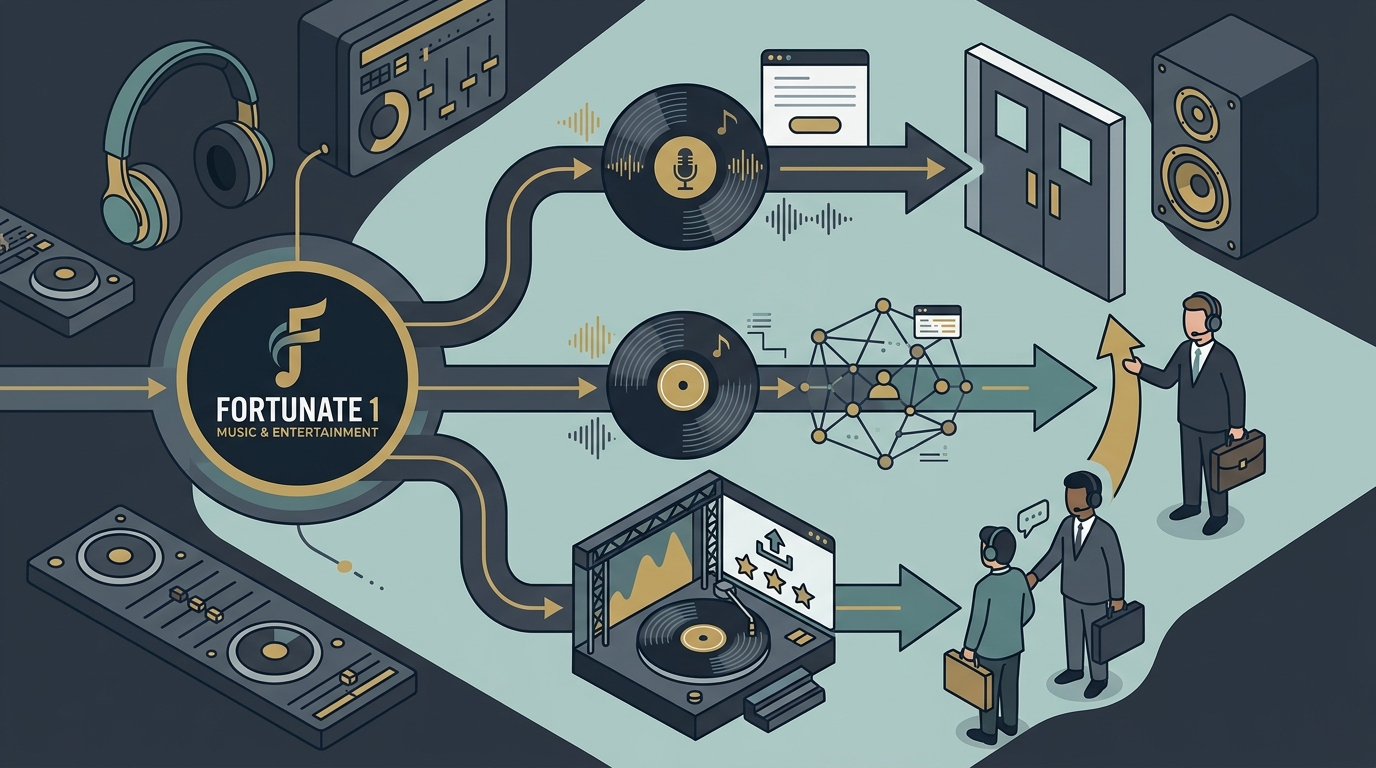
Talent promotion platforms like Fortunate 1 Music & Entertainment focus on developing artists before they reach major labels. These platforms provide visibility, audience building, and industry exposure. They often feature live voting systems where global audiences can discover and support new talent. This community-driven approach creates a track record of engagement that labels look for when evaluating artists. By building a fanbase and demonstrating marketability, artists position themselves as lower-risk investments for major labels.
A&R Discovery Services
A&R (Artists and Repertoire) discovery services are specialized networks that connect emerging artists with the scouts who sign them. A&R representatives are the primary decision-makers at record labels. They spend their time listening to new music, attending shows, and identifying artists with commercial potential. Discovery services streamline this process by pre-screening artists and matching them with A&R professionals who are actively looking for specific sounds.
How A&R Scouts Evaluate Music
A&R representatives evaluate music based on several key factors. First is the quality of the production and performance. The music must be professionally mixed and mastered. Second is the artist's unique voice and style. A&R scouts look for artists who stand out in a crowded market. Third is the artist's existing audience and engagement metrics. Labels want to know if the artist can attract and retain fans. Finally, A&R representatives consider the artist's professionalism and work ethic. They look for artists who are reliable, communicative, and ready to commit to the demands of a recording career.
The Role of Data in Discovery
Modern A&R discovery relies heavily on data. Streaming numbers, social media growth, and geographic fan distribution are critical metrics. Platforms that provide artists with analytics and audience insights give A&R representatives the data they need to make informed decisions. For hip hop artists, this means that building a strong online presence is just as important as the music itself. Artists who can demonstrate consistent growth and engaged followers are more likely to attract A&R attention.
Building Relationships with A&R
While submission platforms are important, building direct relationships with A&R representatives can be equally valuable. This involves attending industry events, networking with other artists and managers, and engaging with A&R professionals on social media. Fortunate 1 Music & Entertainment's talent spotlight and promotion services help artists build these connections by increasing their visibility in the industry. The more an artist is seen and discussed, the more likely they are to be noticed by A&R scouts.
Label Submission Policies
Label submission policies are the rules and guidelines that record labels use to manage the volume of music they receive. These policies vary by label and by department, but they generally include requirements for audio quality, metadata, and artist background. Understanding these policies is essential for artists who want to maximize their chances of being heard.
Common Submission Requirements
Genre and Style Fit
Labels have specific genre and style preferences. A hip hop artist submitting to a label that primarily signs pop or rock artists is unlikely to be considered. Artists should research the label's current roster and recent signings to determine if their music is a good fit. Submitting to labels that align with their sound increases the likelihood of a positive response. This is where specialized platforms like Fortunate 1 Music & Entertainment can be helpful. By connecting artists with the right industry contacts, these platforms ensure that the music reaches the ears of people who are actually looking for that type of talent.
Exclusivity and Contract Terms
Key Takeaways
- Demo submission platforms include direct label portals, independent services, and talent promotion platforms like Fortunate 1 Music & Entertainment.
- A&R discovery services connect artists with the scouts who sign them, using data and pre-screening to match music with industry needs.
- Label submission policies require high-quality audio, complete metadata, and genre fit. Non-compliant submissions are often rejected without review.
- Building a strong online presence and engaged fanbase is critical for attracting A&R attention in the modern music industry.
- Talent promotion platforms help artists build visibility and industry connections before they reach major labels.
- Artists should research label rosters and recent signings to ensure their music is a good fit before submitting.
- Understanding contract terms, including exclusivity and 360 deals, is essential before signing with any label.
- Professionalism, work ethic, and reliability are key factors that A&R representatives consider when evaluating artists.
Frequently Asked Questions
What is the best way to submit hip hop music to a major label?
The best way to submit hip hop music to a major label is through their official submission portal, ensuring all requirements for audio quality and metadata are met. Additionally, building a strong online presence and using talent promotion platforms can increase visibility and attract A&R attention.
Do I need to pay to submit my music to a record label?
Most major labels do not charge for submissions through their official portals. However, some independent submission services and talent promotion platforms may charge fees for access or additional services. Artists should be cautious of any service that guarantees placement or signing for a fee.
How long does it take to hear back from a label after submitting music?
There is no standard timeframe for hearing back from a label. Some labels may respond within a few weeks, while others may take several months or never respond. Building a strong online presence and using multiple submission channels can increase the likelihood of a response.
What should be included in a music submission to a label?
A music submission should include high-quality audio files, complete metadata, a short biography, and links to social media profiles. Some labels may also require a press kit or EPK. Artists should carefully read the submission guidelines on each label's website to ensure compliance.
How can I increase my chances of being discovered by A&R representatives?
Artists can increase their chances of being discovered by A&R representatives by building a strong online presence, engaging with fans, and using talent promotion platforms. Consistent growth in streaming numbers and social media followers are key metrics that A&R scouts look for.
What is a 360 deal in the music industry?
Can I submit my music to multiple labels at the same time?
Yes, artists can submit their music to multiple labels at the same time, unless they have agreed to exclusivity with one label. Submitting to multiple labels increases the chances of being heard, but artists should ensure that their music is a good fit for each label's genre and style.
What role does social media play in artist discovery?
Social media plays a critical role in artist discovery. A&R representatives use social media metrics to evaluate an artist's audience and engagement. Building a strong presence on platforms like Instagram, TikTok, and YouTube can help artists attract industry attention.
Conclusion
Getting discovered by major record labels requires a strategic approach that combines high-quality music, strong online presence, and targeted submissions. Emerging hip hop musicians have multiple avenues for discovery, including direct label portals, A&R discovery services, and talent promotion platforms. By understanding the policies and preferences of labels and A&R representatives, artists can increase their chances of being heard. Fortunate 1 Music & Entertainment provides a comprehensive platform for artists to build their brand, connect with fans, and gain industry exposure. Whether you are just starting out or ready to take the next step, the right submission strategy can make all the difference in your music career.